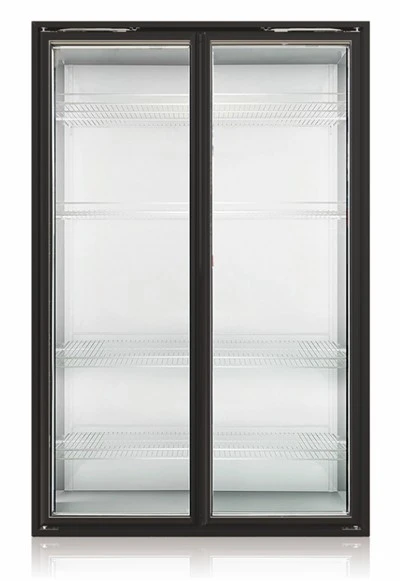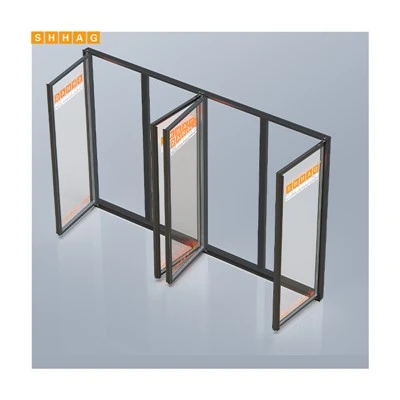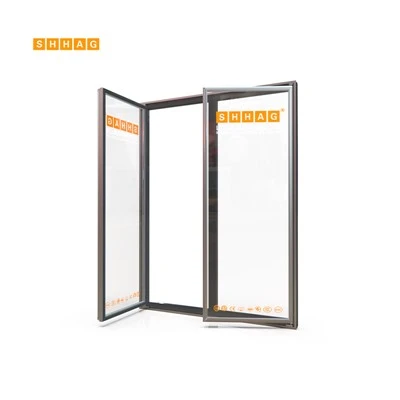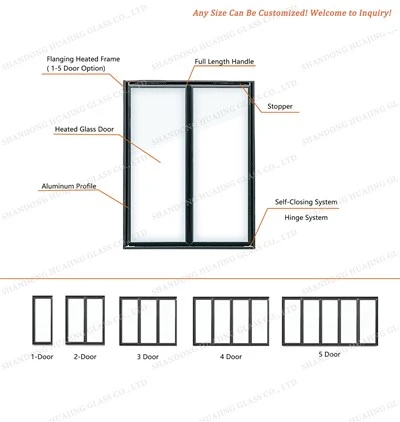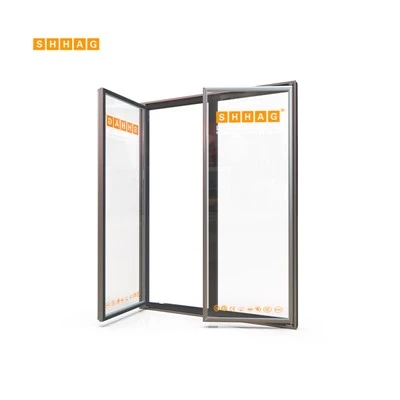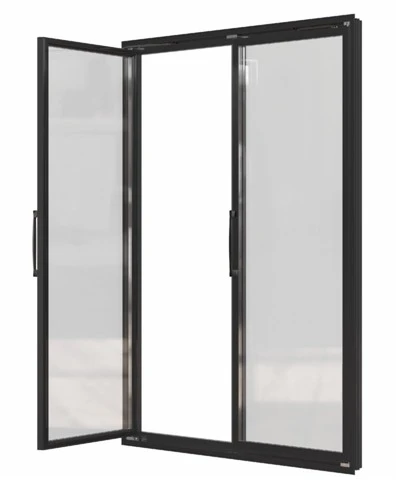
Judging the quality of frameless glass doors requires a comprehensive evaluation of four aspects: glass quality, hardware accessories, installation craftsmanship, and certification marks. Especially in commercial spaces, durability and safety are core considerations.
Judging the Quality of the Glass Itself
Glass Material and Thickness: High-quality frameless glass doors should use 8-12mm tempered glass with a smooth surface free of ripples, bubbles, and impurities. A ruler can be placed against the surface to check for a tight fit; noticeable gaps indicate poor flatness.
Light Transmission and Color Difference: Under natural light, high-quality glass will have clear light transmission, no color difference, and no haze. Slight rainbow patterns or a greenish tint may indicate ordinary float glass being passed off as ultra-clear glass.
Edge Treatment: Cut edges of the glass should be chamfered and polished, resulting in a smooth, burr-free surface to prevent stress concentration and breakage after installation.
Safety Certification: Legitimate products must bear the 3C certification mark, a mandatory national safety certification that ensures the glass meets safety standards for impact resistance, heat resistance, etc.
Key Quality Points for Hardware Accessories:
Bathroom Hinges (Glass Door Hinges) Material: 304 stainless steel is the preferred material, as it is corrosion-resistant, has a high load-bearing capacity (35-45kg per pair), and does not rust over long-term use.
Avoid using zinc alloy materials, although they are cheaper, they are brittle and have poor load-bearing capacity.
Floor Spring Performance: High-quality floor springs should withstand over 200,000 opening and closing cycles, operate smoothly without jerking, and have a buffer return function to reduce impact noise.
Handle and Lock Compatibility: Handles should match the glass thickness (commonly 6-12mm) and be securely installed without looseness; stainless steel electromagnetic locks are recommended for security.