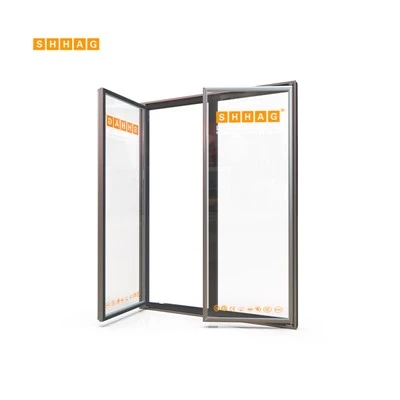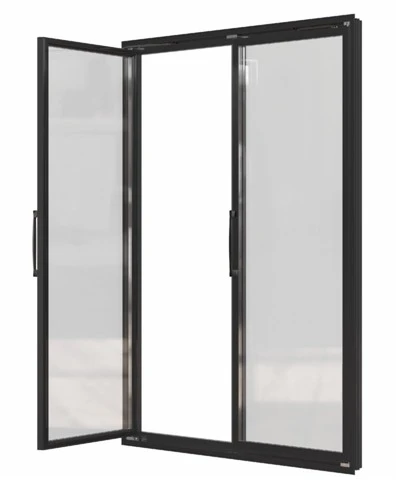
Choosing the right frameless glass door requires comprehensive consideration of material, thickness, usage scenario, hardware accessories, and budget to ensure a balance between safety, aesthetics, and durability.
Core Selection Criteria:
Glass Material and Thickness
Tempered glass is the first choice, offering a high safety level and breaking into small particles, reducing the risk of injury.
Recommended thickness: 8-12mm. For residential or small spaces, 8-10mm is suitable; for commercial spaces (such as shops and offices), 10-12mm is recommended for enhanced stability.
For sound insulation or explosion protection, laminated glass or ultra-clear glass can be upgraded, offering higher light transmittance and fewer impurities.
Usage Scenario Suitability
Commercial Spaces (Shops, Showrooms): Prioritize high-transparency, color-matched ultra-clear glass to enhance the sense of openness and modernity.
Office Partitions: Frosted glass or patterned glass are options, balancing lighting and privacy.
Home Balcony/Kitchen: Anti-fingerprint, easy-to-clean coated glass is recommended to reduce daily maintenance costs.
Hardware Quality
Floor Springs: Determine the door opening and closing feel; choose well-known brands (such as GMT, DORMA), ensuring the load-bearing capacity matches the door weight.
Glass Clamps: Use stainless steel or aluminum alloy; pay attention to rust prevention to avoid rusting and loosening after long-term use.
Door Handles and Locks: For frequent use, choose wear-resistant, fingerprint-resistant designs to improve user experience.
Installation Methods and Structural Design
Hanging Type (No Bottom Track): Suitable for minimalist styles; easier to clean as there is no track on the floor, but requires high load-bearing capacity from the top.
Floor Spring Type: Stable structure, suitable for high-frequency use scenarios; requires space for a bottom support.
Frameless Joint Construction: When splicing large doors, ensure the joint seam is ≤3mm and use chamfering and sealant to prevent dust accumulation and discoloration.