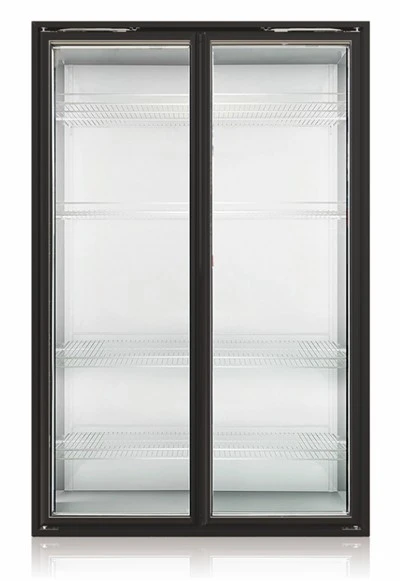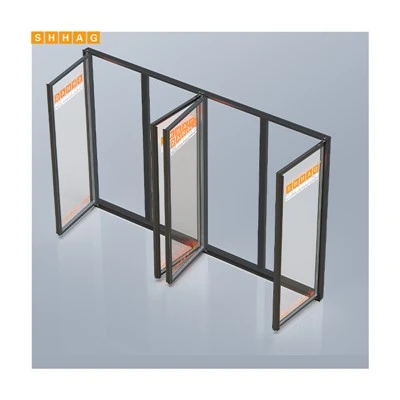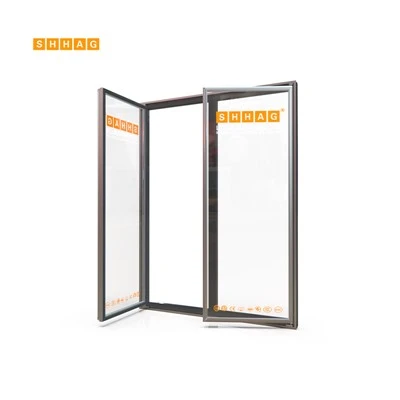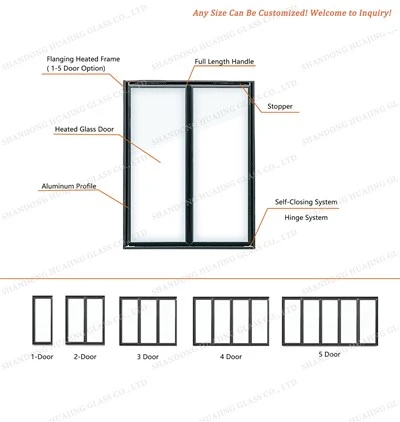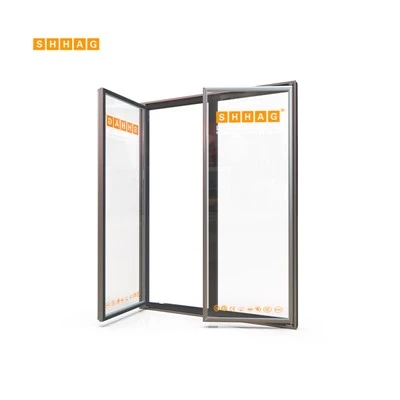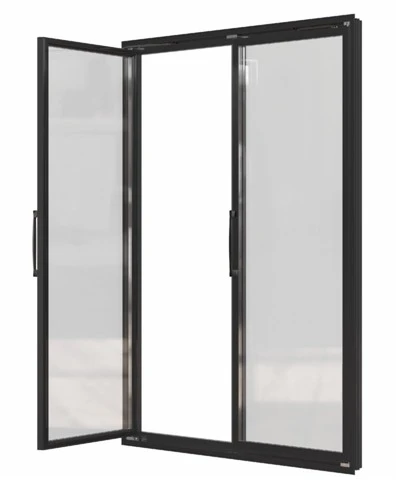
The core design concept of exterior glass doors lies in openness, transparency, and spatial integration. It enhances the overall architectural character through visual extension and material contrast, while simultaneously ensuring safety and functionality.
Emphasis on Openness and Transparency: Exterior glass doors are widely used in commercial shops, villa entrances, and other scenarios. Large areas of glass reduce visual obstruction and break down the boundaries between indoors and outdoors. For example, high-end jewelry stores and cosmetics stores often use frameless or ultra-narrow frame glass doors to create a light and modern visual effect, increasing customers' willingness to enter.
Space Expansion and Functional Zoning: In residential design, such as the Deli Panoramic Door SW series, the double ultra-narrow free-sliding structure achieves the flexibility of "opening and closing," isolating fumes or noise while easily opening up space, creating the illusion of a "small apartment with a large floor plan," and improving space utilization.
Aesthetics and Customized Expression: Glass doors are not only functional components but also artistic expressions of the architectural facade. Artistic glass, including wire-reinforced, frosted, stained, and fluted glass, combined with the colors and textures of aluminum alloy profiles, can be adapted to various styles such as modern, light luxury, and neo-Chinese, becoming a "visual highlight."
Safety and Technological Upgrades: Although glass may seem fragile, it is mostly tempered glass with 3C certification, possessing excellent impact resistance. High-end products are also equipped with steel frame edging, nano-ceramic composite materials to enhance structural stability, and integrated smart door lock systems that support encrypted authentication and remote control, ensuring security.
Environmental Adaptability and Energy-Saving Design: For different climatic conditions, insulated or double-glazed windows can be selected to improve heat insulation, thermal insulation, and sound insulation performance. At the same time, to address strong sunlight, it is recommended to use sunshades or low-emissivity coatings to achieve a balance between comfort and energy saving.