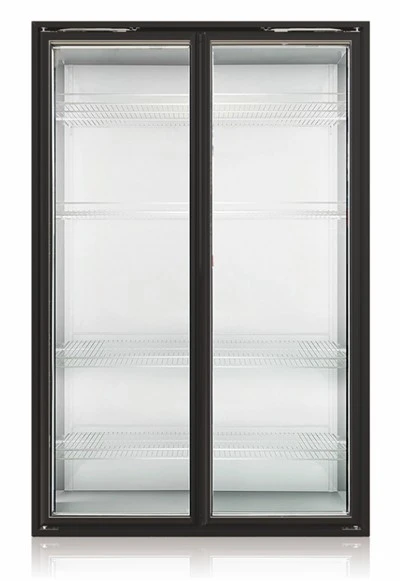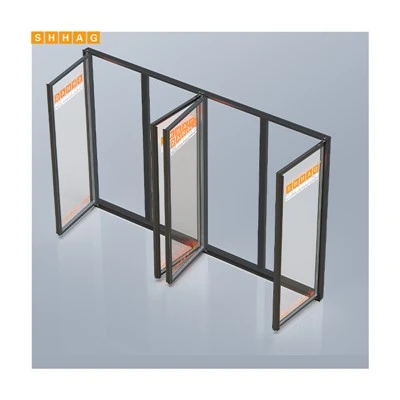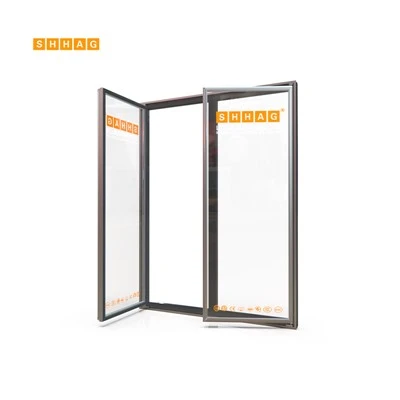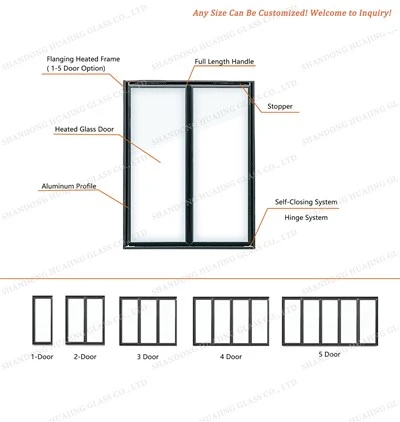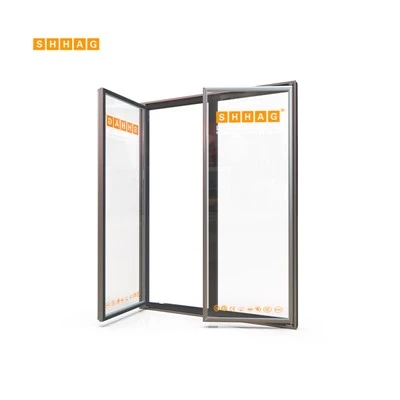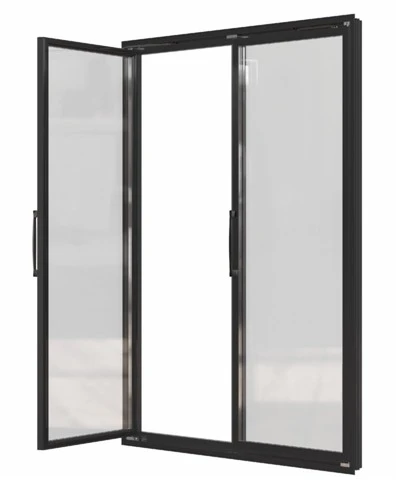
The core characteristics of classic framed glass doors are structural stability, versatile design, and a balance of transparency and aesthetics. The combination of frame and glass achieves both spatial division and aesthetic enhancement.
Structural Composition
Frame Material: Mostly made of aluminum alloy (such as aluminum-magnesium-titanium-silicon alloy) or wood. Aluminum alloy is more popular due to its rust resistance, non-deformation, and durability.
Glass Type: Commonly tempered glass (must meet national 3C certification), offering high safety and shattering into small pieces. Frosted glass, tempered glass, and wire-reinforced glass are also options, balancing privacy and aesthetics.
Connection Method: The frame and glass are fixed using precision processes to ensure no looseness or gaps, enhancing overall stability.
Design Style
Frame Width: Classic styles often feature medium or narrow frame designs. Modern trends favor "minimalist narrow frame" (e.g., 16mm wide) for a lighter visual appearance.
Grid Patterns: Common grid patterns include square, tic-tac-toe, vertical stripes, and diamond patterns. Different arrangements create different styles, suitable for retro, industrial, and Nordic styles.
Color Matching: The mainstream colors are black frame + gray glass or black frame + frosted glass, versatile and sophisticated. Custom gold or white frames are also available to match cream or natural wood styles.
Functional Advantages:
Brighter Lighting: Glass significantly increases indoor light penetration, making the space brighter and more open.
Spatial Connectivity: Used in kitchens, balconies, and bathrooms, it can separate functional areas while maintaining visual continuity, achieving a "separated yet connected" effect.
Easy to Clean: The smooth surface requires only wiping with water or glass cleaner, making it especially suitable for environments prone to oil or water stains, such as kitchens and bathrooms.