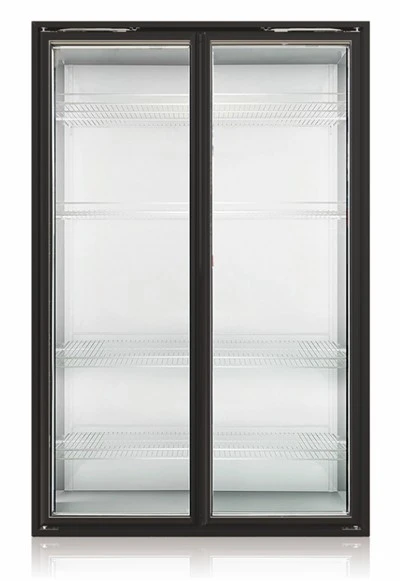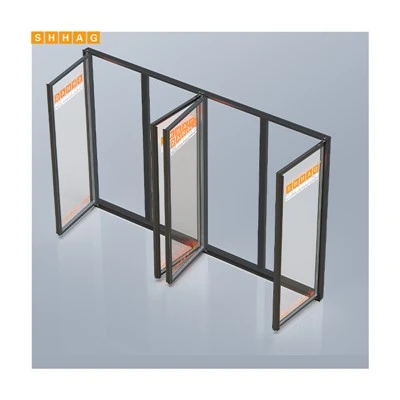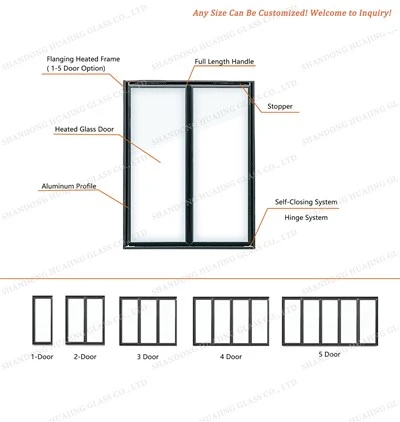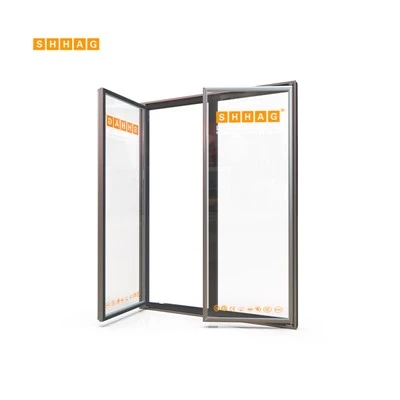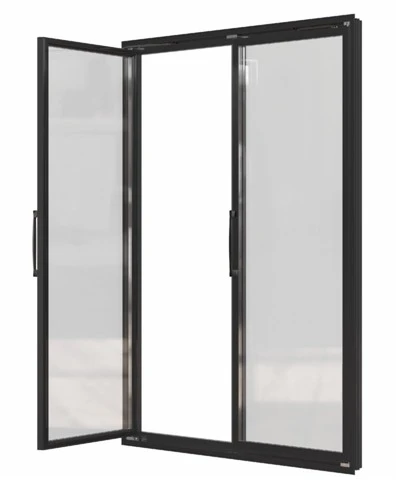
Determining the quality of a frameless glass door requires a comprehensive evaluation based on four core dimensions: national standards, material quality, installation process, and safety performance. This ensures its safety, stability, and durability in actual use.
Material and Product Quality
Glass Material and Certification
Tempered glass must be used, with a thickness of at least 8mm (household) or 10mm (commercial). It should shatter into small particles to reduce the risk of injury.
The glass surface should have a clear 3C certification mark. This is a mandatory national safety certification, which can be verified by a scratch test to confirm if it is original factory printing.
High-quality glass is free of ripples, bubbles, and color differences. It has high light transmittance and does not exhibit "greening" or "rainbow-like" phenomena (common problems with ordinary float glass).
Hardware Quality
Floor springs, glass clips, handles, and other accessories should be made of 304 stainless steel or high-strength aluminum alloy. Avoid using easily corroded zinc alloys.
All hardware components must have a certificate of conformity from the manufacturer. The floor spring's opening and closing life should be ≥200,000 cycles to ensure it remains stable and free of abnormal noise even after long-term use.
Rust and Corrosion Prevention: If the door is located in a humid environment (such as a bathroom or kitchen), metal parts must undergo rust-proof coating or electrophoretic treatment to prevent structural failure due to oxidation later on.