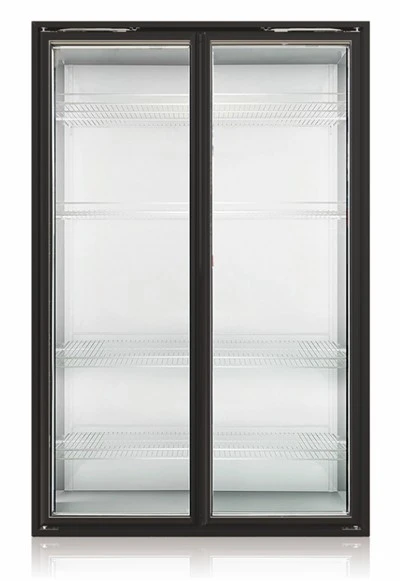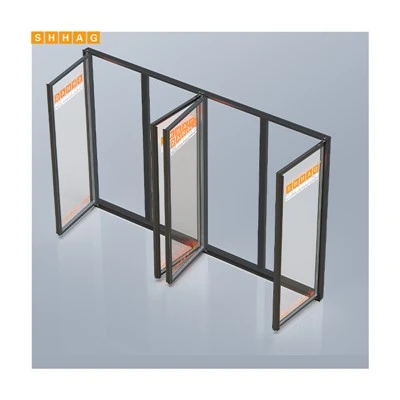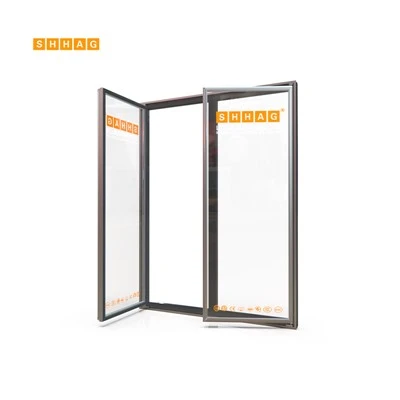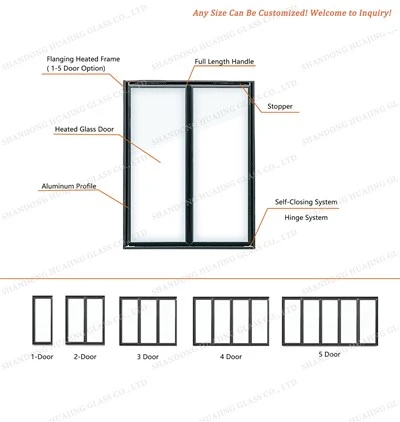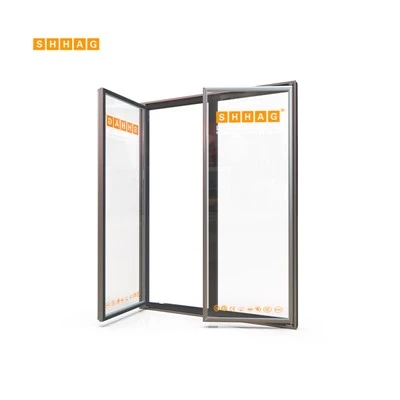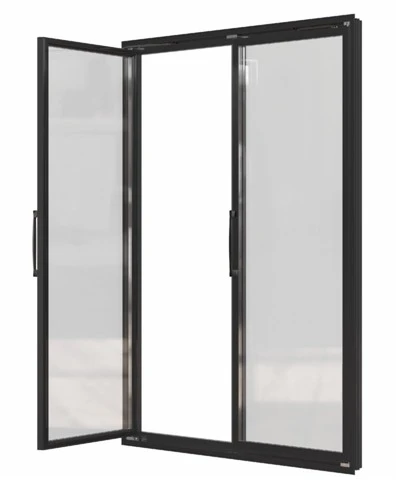
Choosing the right glass door for your exterior application requires considering safety, weather resistance, sealing performance, and compatibility with your architectural style. Here are the key selection points:
1. Glass Material: Prioritize tempered glass with double glazing or laminated structures.
Tempered Glass: Must be 3C certified. It is 3-5 times stronger than ordinary glass, shatters into small, blunt-angled fragments, and offers high safety.
Double Glazing: Composed of two or more layers of glass filled with an inert gas (such as argon), significantly improving heat insulation, sound insulation, and waterproofing. Suitable for street-facing, high-rise, or climate-variable areas.
Laminated Glass: Contains a PVB interlayer. It provides good insulation against low-frequency noise (such as traffic and vibration), and even after breakage, fragments adhere to the interlayer, offering strong resistance to wind pressure and tearing.
Recommended Combination: In complex noise environments or typhoon-prone areas, choose double-glazed laminated glass for comprehensive protection.
2. Profile Frame: Multi-cavity thermally broken aluminum profile, wall thickness ≥ 2.0mm
Material Advantages: Lightweight, corrosion-resistant, and high-strength aluminum alloy; surface can be anodized for aesthetic appeal and durability.
Temperature Breakage Design: Multi-cavity thermally broken aluminum profiles effectively block heat conduction, improving insulation performance and preventing "cold bridging."
Wall Thickness Standard: The recommended wall thickness for exterior door profiles is no less than 2.0mm; for large-span balconies or coastal areas, 2.2mm or more is recommended to enhance wind pressure resistance.
3. Sealing System: Three-layer seal + automotive-grade EPDM sealing strip
Sealing Structure: Utilizes a three-layer design: outer sealing layer + equal-pressure sealing strip + inner sealing layer, effectively preventing wind, water, and dust, improving airtightness.
Sealing Strip Material: EPDM sealing strips are recommended; they offer good elasticity, are resistant to aging, and are less prone to cracking with long-term use, ensuring a durable seal.
Installation requirements: Use polyurethane foam to fill the gaps, and leave a sealant groove on the outdoor side to prevent water seepage.